
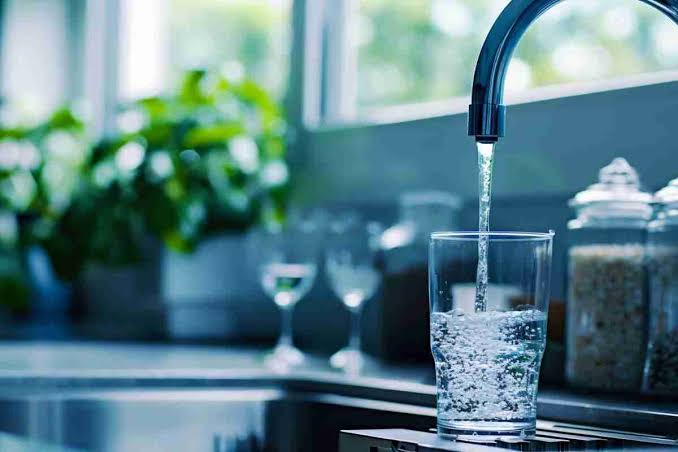
There’s something comforting about turning on a tap and trusting what comes out. We use water for almost everything — drinking, cooking, bathing, washing clothes, cleaning dishes, making coffee. Because it’s such a normal part of life, water quality can easily become an afterthought.
Then the little clues start appearing.
Maybe there’s a chalky ring around the faucet. Perhaps the showerhead keeps clogging with mineral buildup. Your laundry feels different, or the water from the kitchen tap has an unusual taste or smell. For homeowners using private wells, the questions can be even bigger: Is the water changing? What is actually in it?
The answer isn’t always obvious from appearance alone. Fortunately, modern water treatment can address many common concerns when the system is chosen around the actual water conditions.
Start With a Water Test, Not a Shopping Cart
One of the easiest mistakes homeowners make is purchasing treatment equipment before understanding the problem.
Water quality varies significantly depending on the source. Municipal water is treated before it reaches the property, while private wells draw directly from groundwater. Local geology, plumbing, seasonal changes, and nearby land use can all influence what’s present.
Testing can reveal concerns such as hardness, iron, manganese, sediment, pH, bacteria, and other characteristics. Once you know the results, choosing treatment becomes much less of a guessing game.
It’s a simple principle: diagnose first, treat second.
Why Well Water Needs Special Attention
Private wells can provide excellent water, but they also place more responsibility on the homeowner.
Unlike municipal supplies, private wells aren’t managed by a public water utility that continuously treats and monitors the water before it enters your home. The water comes directly from the ground, and its chemistry can vary.
This is where well water treatment systems can become particularly useful. Depending on test results, a homeowner might need sediment filtration, iron removal, water softening, activated carbon, UV disinfection, or another specialized treatment.
There isn’t one universal well-water system. That’s actually a good thing. A properly designed system addresses the specific issues found in your water rather than forcing every home into the same setup.
The Benefits of Whole-Home Filtration
If a water quality issue affects the entire house, treating only the kitchen faucet may not be enough.
Whole home water filtration systems are generally installed at the point where water enters the property. This allows treated water to flow through the home’s plumbing rather than limiting filtration to one faucet.
That can be useful when sediment, chlorine taste and odor, or other filterable substances are present throughout the household supply.
Imagine showering without dealing with water that leaves a strong odor. Or washing clothes without worrying about the same water quality issue affecting every load. A whole-home system can make treatment feel less like an isolated fix and more like part of the home’s infrastructure.
Still, whole-house treatment isn’t always necessary. If the only concern is drinking water, a point-of-use filter may be more practical and less expensive.
Hard Water Is a Different Kind of Problem
Hard water doesn’t always make water unsafe, but it can certainly make household life more frustrating.
Calcium and magnesium are the main minerals responsible for water hardness. When heated or allowed to evaporate, they can leave scale behind.
You may notice white deposits around taps, spots on glasses, reduced performance from showerheads, or buildup inside water heaters and appliances.
This is where water softener systems can help. They are designed primarily to reduce hardness minerals and can help control scale throughout the property.
A properly sized softener may make cleaning easier and reduce mineral buildup on plumbing fixtures. Some homeowners also notice that soap lathers more easily and laundry feels different after treatment.
However, softeners aren’t intended to remove every contaminant. If your water has sediment, microorganisms, or a particular chemical concern, additional treatment may be necessary.
Choosing the Right Combination
Sometimes one treatment technology solves the problem. Sometimes several need to work together.
For example, a private well might have sediment and hardness, requiring filtration and softening. Another well could have iron and bacterial concerns that call for a different combination.
This is why water testing is so valuable. It gives you a starting point for deciding what should happen next.
A good treatment plan may include:
- Sediment filtration for suspended particles
- Carbon filtration for certain taste and odor concerns
- Water softening for hardness
- Reverse osmosis for specific drinking-water applications
- UV treatment for certain microbiological concerns
The technologies shouldn’t be chosen simply because they sound advanced. Each one should have a clear job.
Installation Matters More Than You Might Expect
A good system can still perform poorly if it’s installed incorrectly.
Flow rate, water pressure, pipe size, drainage, electrical requirements, and available space all need to be considered. The system also needs to be accessible for future maintenance.
Professional installation can be particularly useful for more complex whole-home or well-water setups. A trained installer can also help confirm that different treatment stages are arranged appropriately.
It’s much easier to get the plumbing right at the beginning than to untangle a poorly designed installation later.
Maintenance Keeps the System Working
Water treatment isn’t a “set it and forget it” project.
Filters need replacement. Softener systems require attention. UV lamps have service intervals. RO membranes eventually need changing. Treatment tanks and connections should also be inspected periodically.
Keep a simple record of maintenance dates. If you notice a sudden change in water pressure, taste, smell, or appearance, don’t ignore it.
Sometimes the issue is nothing serious. Other times, it can be an early warning that equipment needs service or that the incoming water has changed.
Think of Water Treatment as Long-Term Home Care
The best water treatment system isn’t necessarily the largest or most expensive one. It’s the one that matches the water quality, household needs, and budget.
Start with testing. Understand the problem. Choose treatment technology based on evidence. Install it correctly, then maintain it.
For well owners especially, staying aware of water quality can provide peace of mind. For any homeowner, reducing scale, improving taste, and addressing specific water concerns can make everyday routines a little easier.
Water may look ordinary when it pours into a glass, but what’s happening beneath the surface can be surprisingly complex. Take the time to understand it, and the right treatment choices become much clearer.