
Water is part of nearly everything we do at home. We use it to make coffee in the morning, wash vegetables for dinner, run the dishwasher, and enjoy a hot shower after a long day. Most of the time, we don’t think much about it. That changes when the water starts leaving white marks on the taps, tastes unusual, or develops an odor that wasn’t there before.
For homeowners across Ontario, water quality can vary depending on the local supply, the property’s plumbing, and whether the home relies on municipal water or a private well. These differences matter because a treatment system that works well in one house may not be the right choice for another.
The good news is that water concerns can often be addressed with a practical, well-planned approach. The trick is to understand the problem before spending money on equipment.
Every Home Has Different Water Needs
Ontario is a large province, and its communities don’t all share the same water conditions. Some households receive treated municipal water, while others draw water from wells. Even homes in the same general area can experience different issues because of variations in plumbing, well construction, and local groundwater characteristics.
Hard water is one of the most familiar concerns. Calcium and magnesium can build up on shower doors, faucets, and kettle interiors. Soap may not lather as easily, and homeowners sometimes notice that laundry feels stiff after washing. A properly selected water softener can help reduce hardness, although it won’t solve every water quality problem.
Taste and odor are another common source of frustration. Municipal disinfectants can affect how water tastes, while naturally occurring minerals or plumbing-related issues may influence its smell. The cause matters because different treatment technologies target different substances.
If the water suddenly changes color, taste, or odor, don’t simply assume that a filter will fix it. Contact your water supplier if you’re connected to a municipal system, or seek appropriate testing if you use a private well. A sudden change deserves investigation, particularly when contamination may be involved.
Experience Makes a Difference
Choosing water treatment equipment isn’t just about comparing product specifications. Homeowners also need clear explanations, dependable service, and guidance that reflects their actual water conditions. That’s why experience can be valuable when selecting a treatment provider.
A company with over 45 years of trusted water treatment in ontario may bring years of practical experience with local water concerns, different property types, and changing treatment technologies. Still, longevity alone shouldn’t be the only deciding factor. Homeowners should also look at service quality, product information, maintenance support, and whether recommendations are based on reliable testing.
A good provider takes time to understand how water is used in the home. A family concerned mainly about drinking water may need a different solution from someone dealing with severe hardness throughout the house. Similarly, a rural homeowner with a private well may require a more detailed assessment than a household seeking to improve the taste of municipal water.
The goal isn’t to install the most expensive equipment available. It’s to find a solution that addresses the concern without adding unnecessary complexity or expense.
Why Water Testing Should Come First
Clear water isn’t necessarily problem-free water. Some substances that affect water safety can’t be identified by looking at it, smelling it, or tasting it. That’s why testing is an important starting point, particularly for private wells.
Depending on the water source and the concern, testing may include hardness, pH, iron, nitrate, bacteria, or other substances. The appropriate test panel should reflect local recommendations and the property’s circumstances. For private wells, consult Ontario’s public health guidance about routine testing and what to do if results indicate contamination.
If you’re unsure where to begin, schedule a water test with a qualified provider or arrange suitable laboratory testing. Ask what the test measures, whether the laboratory is accredited for the relevant analyses, and how the results will guide treatment recommendations.
It’s worth understanding the results before purchasing equipment. A hardness test, for example, can help determine whether softening is appropriate, but it won’t establish whether the water is free from bacteria or other contaminants. Different questions require different tests.
Testing also creates a useful baseline. If a treatment system is installed, follow-up testing may help confirm whether it is performing as intended, especially when a specific contaminant is the reason for installation.
Understanding the Main Treatment Options
Water treatment isn’t a one-size-fits-all service. Each technology has a purpose, and choosing the right one depends on the issue identified.
Water softeners reduce hardness by removing calcium and magnesium through an ion-exchange process. They can help limit scale buildup and improve everyday cleaning, although maintenance and salt use may be part of ownership, depending on the system.
Activated carbon filters are commonly used to improve taste and odor and can reduce certain substances when the product is designed and certified for that purpose. They’re often installed at a drinking-water tap or incorporated into a larger filtration arrangement.
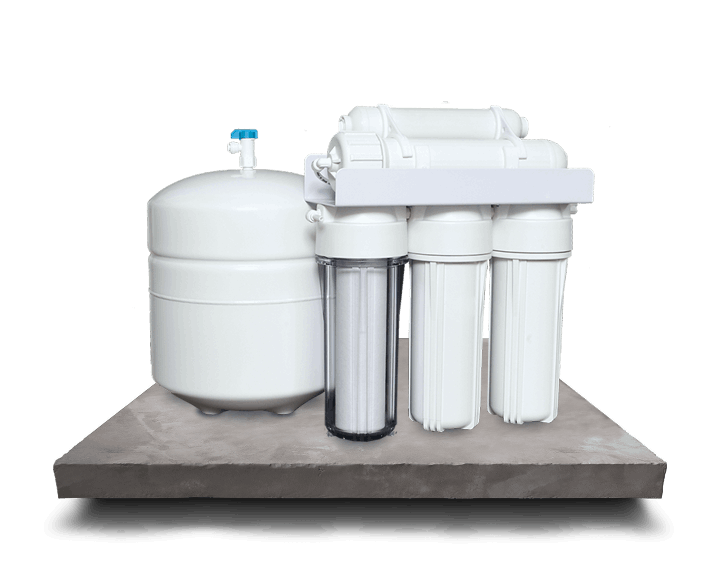
Reverse osmosis systems use a semipermeable membrane to reduce a range of dissolved substances. Performance varies by model and operating conditions, and these systems typically require regular maintenance. They may also discharge some water during operation.
For certain private wells, additional treatment may be necessary to address iron, manganese, bacteria, or other concerns. Ultraviolet disinfection can help inactivate susceptible microorganisms when the system is correctly selected, installed, and maintained, but it doesn’t remove dissolved minerals or chemical contaminants.
No single system handles everything. Sometimes one treatment stage is sufficient; other situations call for several stages working together. The decision should follow the test results, not a generic promise that one product can solve every water problem.
Working With Local Water Treatment Experts
Local knowledge can be helpful when evaluating water conditions, but personalized service matters just as much. Look for your local water treatment experts who are willing to explain their recommendations in straightforward language and discuss both the advantages and limitations of a proposed system.
Before agreeing to an installation, ask a few practical questions. What specific problem will the equipment address? What evidence supports the recommendation? How often will filters or other components need replacing? What are the expected operating and maintenance costs?
It’s also sensible to ask about installation requirements, warranties, service availability, and the availability of replacement parts. If the equipment is intended to reduce a particular contaminant, check whether independent certification supports that claim. Don’t rely solely on broad phrases such as “purifies everything” or “makes all water safe.”
A dependable provider should be comfortable explaining what the system cannot do, too. That kind of honesty helps homeowners make informed decisions and sets realistic expectations from the beginning.
Don’t Overlook Ongoing Maintenance
Once a system is installed, it’s tempting to forget about it. Unfortunately, water treatment equipment isn’t maintenance-free. Filters can reach the end of their service life, membranes may need attention, and softeners require periodic checks. Neglected equipment may no longer perform as intended.
Follow the manufacturer’s maintenance schedule and keep a record of replacement dates. Watch for changes in water pressure, taste, odor, or visible scale. These signs don’t automatically mean the system has failed, but they can indicate that an inspection is worthwhile.
Homeowners using private wells should also continue routine water testing. A treatment system doesn’t remove the need to monitor the source, and conditions can change over time.
Make Water Quality a Long-Term Priority
Good water treatment begins with asking the right questions. Understand your water source, identify the concerns that matter most, and use reliable testing to guide the next step. From there, compare systems based on performance, maintenance, cost, and the support available after installation.
For Ontario homeowners, the best solution is the one that fits the property and the people living in it. It might be a simple drinking-water filter, a softener, or a more specialized combination of technologies. There’s no need to make the decision more complicated than it has to be.
With sound information and a qualified treatment partner, water quality becomes much easier to manage. And when your water works the way you expect it to, that’s one less household concern competing for your attention.