
The Things Patients Rarely Notice
When people think about hospitals, they usually picture doctors moving quickly through corridors, nurses checking vital signs, and maybe the soft hum of monitors in the background. What almost never crosses anyone’s mind is the invisible system working behind the scenes — the tools, machines, and instruments that make modern medical care possible.
It’s understandable. Patients don’t see the preparation rooms where equipment is tested. They don’t witness the hours spent inspecting surgical tools or calibrating devices. And yet, these quiet efforts are essential.
Because in healthcare, success doesn’t depend only on human expertise. It depends just as much on whether every piece of equipment performs exactly as expected — every single time.
Why Reliability Is More Than a Technical Term
In any clinical environment, consistency matters. Doctors and nurses rely on tools that respond predictably, especially during critical moments.
This is where equipment reliability becomes a cornerstone of healthcare operations.
Reliable instruments and machines reduce uncertainty. They allow medical professionals to focus entirely on patient care rather than worrying about whether a device will function correctly. From surgical forceps to advanced imaging systems, dependable equipment supports smooth workflows and minimizes disruptions.
When reliability is compromised, even minor issues can escalate quickly. A malfunctioning tool might delay a procedure, increase stress levels, or require additional intervention.
That’s why healthcare facilities invest heavily in quality assurance processes. Reliability isn’t just a technical goal — it’s a fundamental part of delivering effective medical care.
The Direct Connection to Patient Well-Being
While reliability affects efficiency, its most important impact lies in its relationship to patient safety.
Every medical procedure, whether routine or complex, involves some level of risk. Reliable equipment helps reduce that risk by ensuring accurate performance under demanding conditions.
For example, properly functioning surgical instruments allow precise movements, reducing tissue damage and promoting better healing. Accurate monitoring devices provide real-time data that guide critical decisions during procedures.
Even seemingly simple tools, like sterile trays or diagnostic instruments, play a role in preventing complications.
In this sense, safety isn’t just about protocols or training — it’s also about having equipment that supports those efforts consistently.
The Often Overlooked Role of Maintenance
Of course, reliability doesn’t happen automatically. Even the highest-quality instruments require regular care to maintain performance over time.
This is where instrument maintenance becomes essential.
Routine inspection, cleaning, and sterilization help preserve functionality and prevent wear-related issues. Proper maintenance ensures that instruments remain aligned, sharp, and safe for repeated use.
It also helps identify potential problems early, allowing repairs or replacements before equipment failure occurs.
Maintenance is sometimes viewed as a background task, but in reality, it plays a central role in healthcare quality. It’s a continuous effort that protects both equipment investments and patient outcomes.
The Human Effort Behind Reliable Equipment
Behind every reliable instrument is a team of professionals working quietly to keep it in optimal condition.
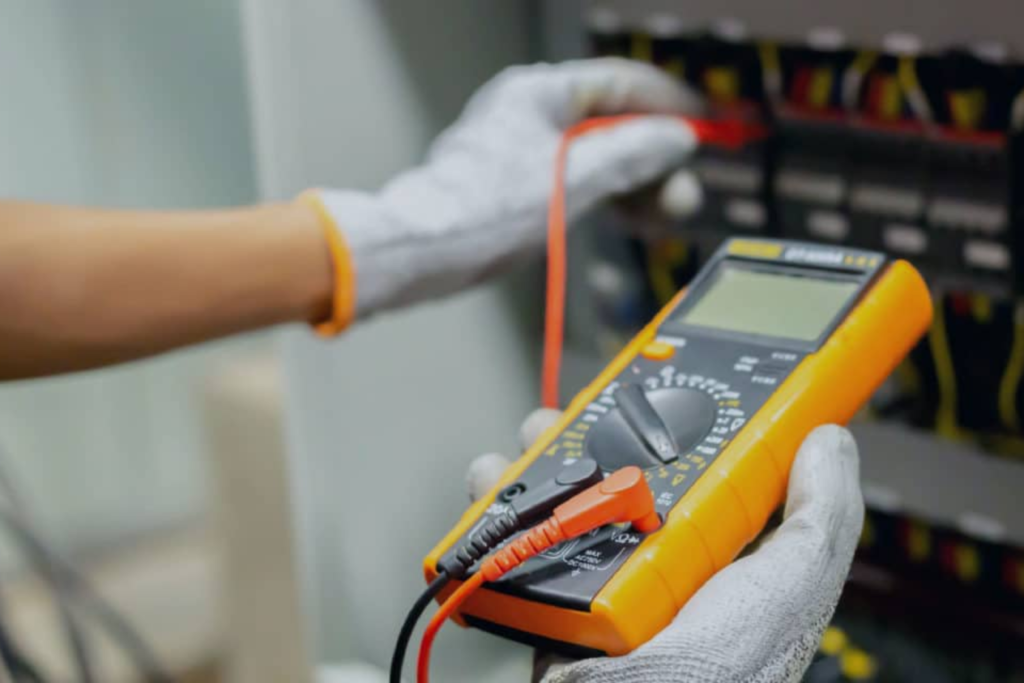
Biomedical technicians perform regular inspections and calibrations. Sterilization specialists ensure instruments meet strict hygiene standards. Procurement teams evaluate product quality and supplier reliability.
This collaborative effort creates a system of checks and balances that supports consistent performance across healthcare settings.
It’s a reminder that reliability isn’t just about technology — it’s about people who ensure that technology functions properly.
Why Prevention Is Always Better Than Repair
One of the most effective approaches to maintaining reliable equipment is preventive maintenance.
Instead of waiting for problems to occur, healthcare facilities implement scheduled inspections and servicing. This proactive strategy helps reduce unexpected failures and extends the lifespan of instruments.
Preventive maintenance also supports operational efficiency. When equipment is regularly monitored, it’s less likely to cause delays during critical procedures.
In many ways, this approach reflects a broader philosophy in healthcare — preventing problems is always better than reacting to them later.
The Impact on Healthcare Efficiency
Reliable equipment doesn’t just improve safety — it also enhances overall efficiency.
When tools function consistently, procedures can be completed more smoothly. Staff can work with confidence, knowing that equipment will perform as expected.
Reduced downtime means fewer scheduling disruptions and better resource management. Hospitals can allocate time and personnel more effectively, improving patient flow.
This operational efficiency ultimately benefits both healthcare providers and patients.
Looking Toward the Future of Medical Equipment Management
As healthcare technology advances, equipment management is becoming increasingly sophisticated.
Digital tracking systems now allow facilities to monitor instrument usage, schedule maintenance automatically, and predict potential failures using data analytics.
Some advanced devices even include self-diagnostic features that alert staff to performance issues in real time.
These innovations are transforming how healthcare organizations approach reliability and maintenance, making systems more proactive and efficient.
A Quiet Yet Essential Foundation of Care
Most patients will never think about the reliability of the instruments used during their treatment. They’ll remember the skill of their doctors, the comfort of supportive staff, and the relief of recovery.
But behind those experiences lies a carefully maintained network of tools and equipment working silently to support every step of care.
Reliable instruments ensure precision. Proper maintenance protects safety. Together, they form a foundation that allows healthcare professionals to focus fully on what matters most — helping patients heal.