
There’s something quietly powerful about good water. You don’t notice it when it’s right—but the moment it’s off, everything feels… slightly wrong. Coffee tastes bitter, dishes come out spotted, equipment starts acting up. In homes, it’s an inconvenience. In businesses, it’s a cost—sometimes a surprisingly big one.
And yet, water often sits in the background of operational thinking. It’s there, flowing, assumed to be “good enough.” But what if that assumption is quietly draining efficiency, money, and even customer satisfaction?
Let’s unpack that a bit.
The Hidden Cost of “Good Enough” Water
Walk into a restaurant kitchen, a hotel laundry room, or a manufacturing unit, and you’ll see water everywhere. It’s heating, cleaning, cooling, rinsing—doing a hundred jobs at once. But not all water is equal.
Hard water, for example, carries minerals like calcium and magnesium. Over time, these minerals leave behind scale—on pipes, heating elements, and machinery. It’s subtle at first. Then suddenly, machines run slower. Energy bills creep up. Repairs become more frequent.
You might not connect the dots immediately. But the truth is, poor water quality doesn’t announce itself loudly. It just chips away quietly, day by day.
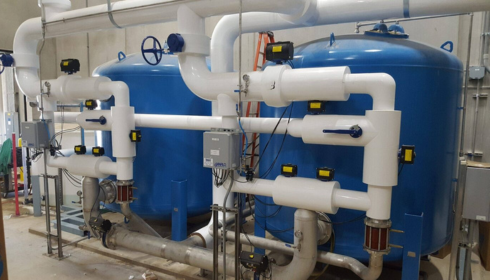
That’s where commercial soft water systems start to make a real difference. Not as a luxury, but as a practical decision. They reduce mineral buildup, extend equipment life, and—maybe most importantly—bring consistency. And consistency, in business, is everything.
It’s Not Just About Machines—It’s About Experience
Think about the last time you stayed in a hotel. Did the shower feel smooth? Were the towels soft? Did the glassware sparkle?
These tiny details shape perception more than we realize. Customers might not say, “This place has excellent water quality,” but they’ll feel it.
In hospitality, healthcare, or even office environments, water quality directly influences comfort. Hard water can leave skin feeling dry, fabrics feeling stiff, and surfaces looking dull. It’s not dramatic, but it’s noticeable.
And here’s the thing—people remember how something felt, even if they can’t explain why.
So, investing in better water isn’t just about infrastructure. It’s about experience. It’s about quietly elevating the everyday.
Maintenance Isn’t Glamorous—But It’s Everything
Now, let’s be honest. Nobody gets excited about maintenance. It’s one of those things that feels easy to postpone… until it isn’t.
But with water systems, neglect shows up fast. Filters clog. Softeners lose efficiency. Bacteria can even creep in if systems aren’t properly monitored.
Regular water system maintenance isn’t just a checklist item—it’s what keeps everything running smoothly behind the scenes. And the irony? When it’s done well, no one notices. That’s the goal.
Skipping it, though, is like ignoring a small leak. It doesn’t stay small for long.
A smart approach is to treat maintenance as part of the system, not an afterthought. Scheduled checks, timely replacements, and a bit of attention go a long way. It’s not glamorous work, sure—but it’s the kind that saves headaches later.
Every Business Has Different Water Needs
Here’s where things get interesting. Not all businesses need the same water solution.
A café might care about taste and clarity. A hospital focuses on hygiene and safety. A factory? It’s often about protecting equipment and ensuring process consistency.
There’s no one-size-fits-all approach. And honestly, trying to force one usually leads to wasted money or underperformance.
This is why professional water treatment becomes so valuable. It’s not just about installing a system—it’s about understanding the specific challenges of your water source and your operations.
Sometimes it’s hardness. Sometimes it’s iron content. Sometimes it’s something less obvious. The right solution comes from diagnosing the problem first, not guessing.
The Long-Term View (That Most People Miss)
It’s easy to think of water systems as an upfront expense. Equipment, installation, maybe some maintenance contracts. Done.
But the real story unfolds over time.
Better water reduces wear and tear. It lowers energy consumption because equipment doesn’t have to work as hard. It cuts down on cleaning chemicals. It even reduces downtime.
And then there’s the less tangible stuff—employee comfort, customer satisfaction, brand perception. Harder to measure, sure, but very real.
Over a year or two, the numbers start to tell a different story. What seemed like an expense begins to look more like an investment.
A Quiet Upgrade That Changes Everything
If you step back and think about it, water touches almost every part of a business. It’s in the background, doing its job quietly. Which is probably why it’s so easy to overlook.
But once you start paying attention, it’s hard to ignore the impact.
Cleaner water. Better performance. Fewer surprises.
It’s not flashy. It doesn’t come with big announcements or dramatic transformations. But it’s one of those upgrades that changes how everything else works—subtly, steadily, and for the better.