
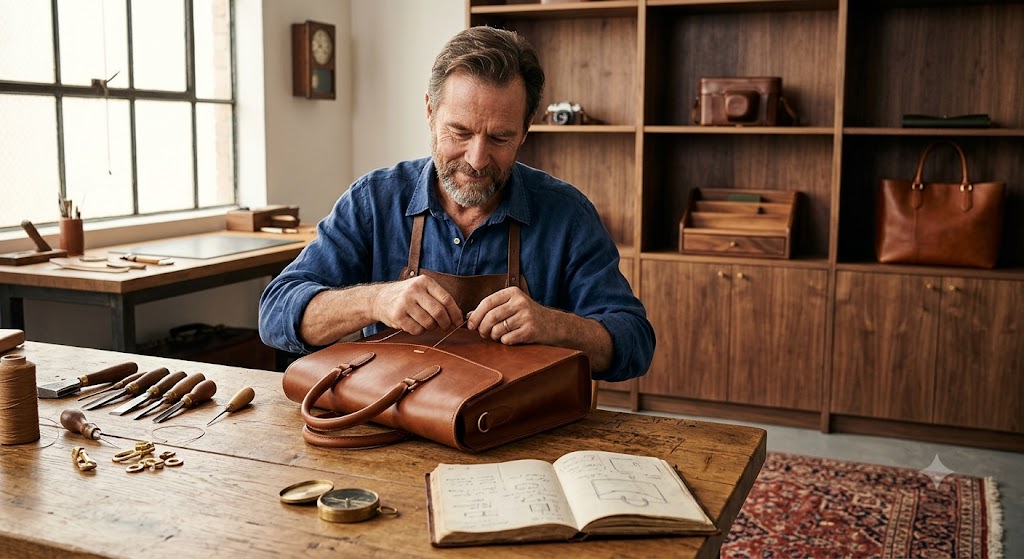
Some homes seem to grow more beautiful with time. The wooden dining table carries a few marks from family dinners, the favorite armchair has softened with years of use, and the artwork on the walls tells stories that visitors might never know. Nothing feels overly precious, yet every detail seems to belong. That’s the kind of home many people want, even if they don’t always know how to describe it.
Creating a space like this requires a different mindset from simply following the latest interior trends. It means looking beyond first impressions and considering how a home will feel years from now. Will the materials age gracefully? Will the layout still work as routines change? Does the space reflect the people who live there, or could it belong to almost anyone?
Good residential design considers these questions early. The goal isn’t to make a house immune to change, but to give it a strong, thoughtful foundation that can evolve with the people who call it home.
Looking Beyond the Immediate Impression
It’s natural to be drawn to a striking interior. A dramatic stone island, a beautifully upholstered sofa, or an impressive staircase can make a memorable first impression. Yet the features that matter most in everyday life are sometimes much less obvious.
Think about the way a hallway welcomes you after a long day. Is there somewhere to put your keys? Can coats and shoes be stored without creating a pile near the entrance? Does the lighting help you move around comfortably in the evening? These practical details rarely appear in glamorous photographs, but they influence how a home feels every single day.
The same applies to larger spaces. A generous living room isn’t automatically comfortable if the furniture arrangement makes conversation difficult. A spacious kitchen may still frustrate its users if the preparation area is too far from the sink or refrigerator.
Before investing in decorative changes, take time to understand how the property works. Notice the awkward corners, the rooms that rarely get used, and the little inconveniences everyone has learned to tolerate. Often, the most valuable improvements begin with solving these everyday problems.
Choosing Quality With a Longer View
When planning a home, it’s tempting to compare products primarily by their appearance or initial cost. Budget matters, of course, but the cheapest option isn’t always the most economical over time.
Flooring, cabinet hardware, upholstery, and work surfaces experience different levels of wear. A busy family kitchen has very different demands from a rarely used formal dining room. Materials should be selected with those conditions in mind, including the amount of maintenance homeowners are realistically willing to manage.
The idea of creating interiors made to be valued for decades isn’t about choosing the most expensive product in every category. It’s about knowing where quality makes a meaningful difference. A durable sofa with a comfortable frame may be worth a larger investment, while decorative cushions can be replaced when tastes change. Reliable lighting and well-built storage can remain useful long after a fashionable accessory has lost its appeal.
Natural materials can also develop character over time. Timber may deepen in color, leather can soften, and certain stones acquire subtle variations through use. These changes aren’t necessarily flaws. When materials are chosen carefully, they can become part of the home’s personality.
That said, durability should never be confused with maintenance-free living. Even quality finishes need care. Understanding cleaning requirements and expected wear before making a purchase helps homeowners choose with confidence.
A Home Should Reflect the People Inside It
There is no single definition of a beautiful home. One person may love quiet rooms with neutral colors and minimal decoration. Another might prefer layered textiles, collected artwork, and shelves filled with books. A well-designed interior can accommodate either preference when the choices are thoughtful and connected.
This is where personal history can become part of the design. A family heirloom might inspire the colors used in a dining room. Photographs collected during travel could create a meaningful gallery wall. A favorite reading chair might deserve a place near the window, even if another arrangement would look more symmetrical.
These decisions help make a home feel authentic. They also prevent interiors from becoming overly dependent on whatever happens to be popular at the moment.
When discussing our philosophy, the central idea is simple: design should serve the people who live in the space. Their routines, memories, preferences, and plans for the future should influence the result. A home isn’t a showroom, and it doesn’t need to remain perfectly styled at all times.
Leave room for ordinary life. A few well-loved objects, a practical basket near the sofa, or a dining table that accommodates unexpected guests can be more valuable than another decorative feature. Comfort and personality are not obstacles to good design; they’re part of what makes it meaningful.
Making the Layout Work for the Future
A household’s needs rarely stay the same forever. Children grow, work arrangements change, relatives may come to stay, and hobbies take up different amounts of space over time. A layout that works beautifully today may need to adapt later.
Flexible planning can make those transitions easier. A spare bedroom might include enough storage to double as a study. A dining area could be arranged to accommodate both daily meals and larger gatherings. Furniture that can be moved or repurposed allows rooms to change without requiring major construction.
Accessibility deserves consideration as well. Clear walking routes, sensible lighting, and comfortable circulation can make a home easier to navigate for people of different ages and abilities. Even if those needs aren’t immediate, thinking ahead can reduce the need for expensive alterations later.
Storage is another long-term consideration. It’s not simply about adding cupboards wherever space is available. The most useful storage is positioned near the activities it supports. Cleaning supplies belong near the areas where they’re needed, everyday kitchenware should be easy to reach, and entryway storage can keep clutter from spreading through the house.
A flexible home doesn’t need to anticipate every possible future. It simply needs enough thoughtful planning to make change less difficult.
The Value of Craftsmanship and Careful Finishing
Some of the strongest signs of quality appear in the details. Cabinet doors that align properly, flooring that meets cleanly at a threshold, and lighting placed where it genuinely helps all contribute to a sense of care.
These details can be easy to overlook during the excitement of choosing colors and finishes. However, they often determine whether a finished space feels cohesive or slightly unsettled. A beautiful material can lose much of its impact when installation is rushed or the surrounding elements haven’t been planned properly.
Good coordination helps prevent that problem. Measurements should be checked, materials reviewed in the actual space, and installation requirements understood before work begins. If several contractors are involved, clear communication becomes especially important because one decision can affect another part of the project.
There will still be surprises, particularly during renovations. Older buildings may hide damaged materials or outdated systems, and delivery schedules don’t always go according to plan. Allowing some time and budget for unexpected issues makes the process more manageable.
Craftsmanship isn’t only about perfection. It’s about taking enough care to make sure the finished home works as intended.
Understanding the Story of a Home
Every property has a story, even if it’s a fairly ordinary house on an ordinary street. Its proportions, original materials, surroundings, and previous alterations all provide clues about how it might be improved.
Learning our story begins with paying attention to those details rather than rushing to impose a completely new identity. Perhaps an original doorway gives the house its character, or a window creates a beautiful view that deserves to remain unobstructed. Maybe the existing floor plan has an unusual feature that could become an advantage with the right arrangement.
Respecting a home’s history doesn’t mean preserving every outdated feature. Some changes are necessary to improve comfort, safety, and functionality. The challenge is to make those improvements feel connected to the property rather than disconnected from it.
A contemporary kitchen can sit comfortably within an older house, for example, when its proportions and materials complement the architecture. Similarly, a modern home can gain warmth through natural textures, meaningful objects, and thoughtful lighting.
Building a Home That Continues to Feel Right
A house doesn’t become meaningful because every detail is expensive or perfectly coordinated. It becomes meaningful through the way it supports daily life, reflects personal taste, and makes room for the moments people remember.
Thoughtful design begins with listening, careful planning, and honest decisions about budget and materials. It continues through good craftsmanship and a willingness to adapt when circumstances change.
Most importantly, a home should be allowed to evolve. A room may acquire new uses, a favorite piece of furniture may move to another corner, and a once-empty wall may eventually hold something deeply personal.
The strongest interiors leave room for all of that. They offer comfort without sacrificing character and quality without unnecessary display. Over time, the result becomes more than a collection of well-designed rooms. It becomes a place that feels familiar, useful, and worth caring for, year after year.