
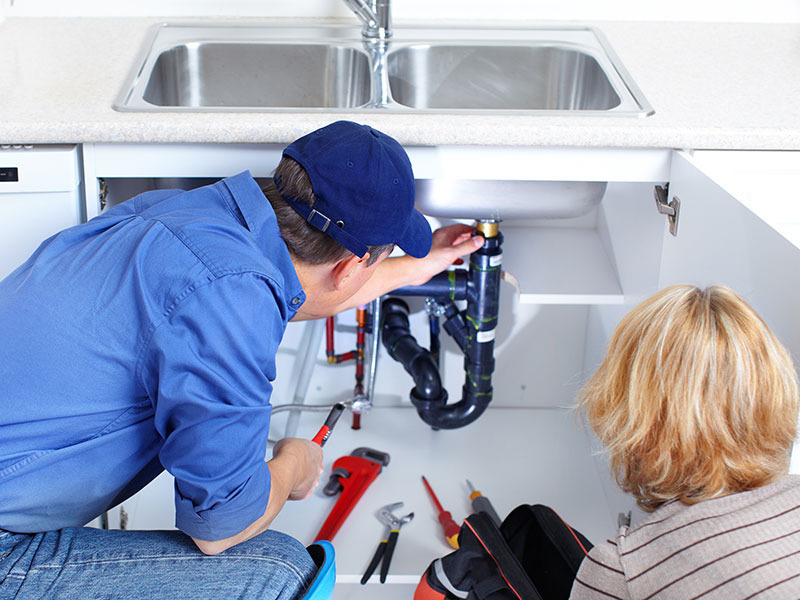
Most people don’t think about their plumbing until something goes wrong. A faucet starts dripping, the shower drain slows to a crawl, or water suddenly appears where it definitely shouldn’t be. And when that happens, the temptation is usually to fix the immediate problem and forget about it.
Fair enough. Life is busy.
But plumbing is one of those parts of a home where a little attention can save a lot of trouble later. A small leak can become water damage. A neglected water heater can suddenly stop working. Poorly installed fixtures can create problems that don’t show up until months down the road.
Understanding the difference between repair, maintenance, and installation makes it easier to take care of your plumbing without overreacting to every little issue.
When a Repair Is the Right Answer
Not every plumbing problem means you need a major project. Sometimes, a straightforward plumbing repair is all that’s required.
A leaking faucet may need a worn cartridge replaced. A toilet that keeps running could have a faulty valve. A damaged pipe fitting might simply need to be replaced properly.
The important part is figuring out why the problem happened.
For an isolated issue in an otherwise healthy plumbing system, a targeted repair can be the most sensible choice. There’s no reason to replace an entire system because one component decided to give up.
However, recurring problems are another matter. If you’re calling a plumber every few months for another leak in a different location, it’s worth looking at the overall condition of the system.
Small Warning Signs Can Tell You a Lot
Plumbing problems often give you hints before they become emergencies.
Pay attention to damp spots, musty odors, unexplained stains, slow drains, low water pressure, strange pipe noises, or unusually high water bills. None of these signs automatically means there’s a serious problem, but they shouldn’t be ignored either.
A water bill that suddenly jumps, for instance, might be caused by a hidden leak. A slow drain could be a simple blockage, but recurring backups may point toward a larger drain-line issue.
The earlier you investigate unusual changes, the more options you usually have.
Maintenance Is About Prevention, Not Perfection
Nobody wants to spend their weekend thinking about plumbing maintenance. There are probably a hundred more interesting things to do.
Still, regular maintenance can help identify problems before they become expensive repairs.
This might include checking exposed pipes for corrosion or moisture, inspecting water heater connections, keeping drains clear of inappropriate materials, checking shut-off valves, and watching for changes in water pressure.
Maintenance doesn’t guarantee that nothing will ever break. Pipes age, components fail, and sometimes things just happen. But it can reduce avoidable problems and give you a better understanding of the condition of your plumbing.
Your Water Heater Needs Attention Too
Water heaters work hard every day. You may not notice them until the hot water disappears, but they deserve some basic care.
Sediment can build up inside certain types of tanks, connections can develop leaks, and aging components can affect performance. If you notice unusual noises, inconsistent temperatures, moisture around the unit, or hot water running out much faster than before, it’s worth having the system checked.
A professional can determine whether the issue is a simple adjustment, a component failure, or a sign that the unit is nearing the end of its useful life.
Sometimes a little attention now prevents a very cold shower later.
Installation Matters More Than People Think
When you’re adding a new fixture, water heater, appliance connection, or plumbing line, proper installation is just as important as the quality of the equipment itself.
Even a high-quality fixture can cause problems if it’s installed incorrectly.
Incorrect connections, poor pipe sizing, inadequate support, improper drainage, or unsuitable materials can create leaks and performance problems. These issues may not always appear immediately, which makes them particularly frustrating.
Professional installation helps ensure that new plumbing works properly with the existing system rather than simply being attached to it and forgotten.
Don’t Automatically Choose the Cheapest Option
Price matters. Of course it does.
But plumbing is one area where the lowest initial cost isn’t always the lowest cost overall.
A cheap repair that fails repeatedly can become expensive. An inexpensive fixture that performs poorly may need replacing sooner. And cutting corners during installation can create damage that costs considerably more to correct later.
When comparing estimates, look at what you’re actually receiving. Ask about materials, labor, warranties, expected lifespan, and whether additional work may be necessary.
You don’t need to choose the most expensive option. You just want to understand the difference between cheap and good value.
Know Where Your Main Shut-Off Valve Is
This sounds basic, but it’s one of the most useful things a homeowner can know.
If a major pipe suddenly bursts, finding the shut-off valve quickly can help limit the amount of water entering the property.
Take a few minutes to locate it before there’s an emergency. Make sure it’s accessible and that household members know where it is.
It’s a tiny bit of preparation that can make a huge difference when water is pouring where it shouldn’t.
When Professional Help Makes Sense
Some plumbing tasks are perfectly reasonable for a confident homeowner. Replacing a simple faucet aerator or clearing a minor surface obstruction, for example, may not require professional assistance.
But hidden leaks, sewer problems, gas-related water heater concerns, major pipe failures, and complicated installations are different.
If you’re unsure what’s happening, getting professional advice can prevent a small mistake from becoming a costly one. A trained plumber has the tools and experience to diagnose problems that aren’t obvious to the untrained eye.
And honestly, sometimes knowing when not to DIY is the smartest home-maintenance decision you can make.
Think Beyond Today’s Plumbing Problem
Good plumbing care isn’t about reacting to every drip with panic. It’s about paying attention and making sensible decisions.
A minor issue may need a simple repair. A well-maintained system may only need routine checks. A remodeling project or aging equipment may call for professional installation or replacement.
The key is understanding what your plumbing is telling you.
Your home’s plumbing works quietly most of the time, which is exactly what you want. Give it a little attention when something changes, deal with problems before they grow, and don’t be afraid to ask questions when professional work is needed.
A little planning today can keep tomorrow’s plumbing problems from becoming the kind of story you really don’t want to tell.