

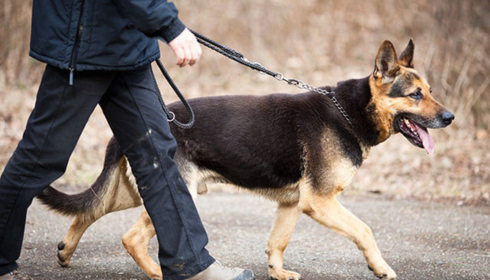

When it comes to building a well-mannered and obedient companion, heel training dog Phoenix AZ is one of the most essential skills a dog owner can invest in. A dog that walks calmly at your side not only demonstrates discipline but also ensures safety in busy urban environments like Phoenix. From crowded sidewalks to scenic desert trails, reliable heel training enhances your dog’s behavior, confidence, and overall quality of life.
At Rob’s Dog Training, proven techniques and structured programs help dogs develop dependable heeling skills that last a lifetime. Whether you’re navigating bustling streets or enjoying outdoor adventures, proper heel training strengthens communication, trust, and control between you and your canine companion. This guide explores expert techniques, practical tips, and professional insights to help you achieve lasting results.
What Is Heel Training and Why Does It Matter?
Heel training teaches a dog to walk calmly beside its handler without pulling, lunging, or lagging behind. Unlike casual leash walking, heeling requires focus, discipline, and consistent communication.
Key Benefits of Heel Training
- Improved Safety: Prevents dogs from darting into traffic or approaching hazards.
- Better Control: Ensures manageable behavior in crowded or high-distraction environments.
- Enhanced Communication: Strengthens the bond between dog and owner.
- Reduced Stress: Makes walks more enjoyable and predictable.
- Public Etiquette: Encourages polite behavior in parks, neighborhoods, and public spaces.
In a vibrant city like Phoenix, where outdoor activities are part of daily life, mastering this skill is essential for responsible pet ownership.
Why Heel Training Is Essential in Phoenix, AZ
Heel training dog Phoenix AZ is particularly important due to the city’s unique environment and lifestyle. With its blend of urban areas, desert landscapes, and pet-friendly venues, dogs must remain attentive and well-behaved in diverse settings.
Environmental Challenges in Phoenix
- Busy Streets and Sidewalks
High pedestrian and vehicle traffic require reliable obedience.
- Extreme Heat
Controlled walking minimizes time on hot pavement, protecting sensitive paw pads.
- Desert Wildlife
Encounters with rabbits, lizards, and other animals demand immediate handler control.
- Outdoor Recreation
Hiking trails and parks necessitate disciplined leash behavior.
- Pet-Friendly Establishments
Restaurants and shops expect calm, well-trained dogs.
These factors highlight why professional guidance can make a significant difference in achieving dependable results.
The Fundamentals of Heel Training
Before diving into advanced techniques, it’s essential to understand the core principles that drive successful training.
1. Consistency Is Key
Dogs learn through repetition and predictable cues. Consistent commands and expectations accelerate progress and prevent confusion.
2. Positive Reinforcement Works Best
Reward-based training motivates dogs to repeat desired behaviors. Treats, praise, and toys reinforce success and build confidence.
3. Timing Matters
Rewards should be delivered immediately after correct behavior to strengthen the association between action and outcome.
4. Patience and Progression
Training is a. Begin in low-distraction environments and advance to more challenging settings.
5. Clear Communication
Using concise commands such as “Heel” ensures your dog understands expectations.
Step-by-Step Guide to Heel Training Your Dog
Step 1: Choose the Right Equipment
Proper tools set the foundation for effective training.
- Standard leash (4–6 feet)
- Well-fitted collar or harness
- High-value treats
- Clicker (optional)
Avoid retractable leashes during training, as they encourage pulling and inconsistent positioning.
Step 2: Introduce the Heel Command
Start indoors or in a quiet environment.
- Position your dog at your preferred side.
- Hold a treat near your leg to guide placement.
- Say “Heel” in a calm, confident tone.
- Take a few steps forward.
- Reward your dog for maintaining position.
Repeat this process until your dog understands the desired behavior.
Step 3: Practice Short Sessions
Short, focused sessions prevent fatigue and maintain engagement.
- Train for 5–10 minutes at a time.
- Practice multiple sessions throughout the day.
- End on a positive note.
Step 4: Gradually Increase Distractions
Once your dog masters indoor training, transition to outdoor environments such as quiet neighborhoods and parks.
Step 5: Reinforce and Maintain the Behavior
Consistency ensures long-term success. Continue rewarding good behavior and reinforcing commands during daily walks.
Common Heel Training Challenges and Solutions
Even with dedication, dog owners may encounter obstacles. Understanding these challenges can help you address them effectively.
Pulling on the Leash
Cause: Overexcitement or lack of guidance.
Solution: Stop walking immediately when pulling occurs and resume only when your dog returns to position.
Distractions from Surroundings
Cause: Environmental stimuli such as people, animals, or noises.
Solution: Gradually introduce distractions while rewarding focus.
Inconsistent Responses
Cause: Mixed signals or irregular training routines.
Solution: Maintain consistent commands and reinforcement techniques.
Lagging Behind
Cause: Low motivation or uncertainty.
Solution: Use enthusiastic praise and high-value rewards to encourage engagement.
Overexcitement
Cause: Excess energy before walks.
Solution: Incorporate brief play or exercise sessions prior to training.
The Role of Professional Heel Training Dog Phoenix AZ
While many owners attempt DIY training, professional guidance can accelerate progress and ensure reliable results. Working with experts provides structured programs tailored to each dog’s temperament, age, and learning style.
Benefits of Professional Training
- Customized Training Plans
- Expert Behavioral Insights
- Faster and More Reliable Results
- Real-World Application
- Support for Owners and Dogs
Professional trainers understand canine psychology and apply proven techniques to address behavioral challenges effectively.
Why Choose Rob’s Dog Training
Located at 4204 E Indian School Rd, Phoenix, AZ 85018, Rob’s Dog Training is dedicated to helping dogs and their owners achieve lasting obedience through structured, reward-based programs. With a commitment to excellence and a deep understanding of canine behavior, their training approach aligns with modern, humane practices.
What Sets Them Apart
- Experienced Trainers: Skilled professionals with extensive knowledge of dog behavior and training techniques.
- Personalized Programs: Tailored solutions designed to meet each dog’s unique needs.
- Real-World Training: Practical exercises conducted in everyday environments.
- Positive Reinforcement Methods: Ethical and effective training strategies.
- Proven Results: A track record of helping dogs become well-mannered companions.
Their expertise ensures dogs develop the discipline and confidence needed for success in Phoenix’s dynamic environment.
Advanced Techniques for Reliable Heel Training
Once your dog masters the basics, advanced techniques can refine performance and improve responsiveness.
1. Automatic Sit at Stops
Teach your dog to sit automatically when you stop walking. This reinforces attentiveness and control.
2. Directional Changes
Practice sudden turns to encourage focus and responsiveness.
3. Variable Rewards
Gradually reduce treat frequency while maintaining verbal praise to build reliability.
4. Off-Leash Precision (Where Permitted)
Advanced training can prepare dogs for controlled off-leash obedience in designated areas.
5. Duration and Distance Training
Extend the time and distance your dog maintains the heel position to enhance endurance and discipline.
Essential Commands That Complement Heel Training
Heel training works best when combined with foundational obedience skills.
- Sit: Encourages calm behavior during pauses.
- Stay: Reinforces patience and control.
- Come: Ensures reliable recall.
- Leave It: Prevents distractions.
- Down: Promotes relaxation in public spaces.
Together, these commands create a well-rounded and obedient companion.
Tips for Maintaining Long-Term Success
Consistency and reinforcement are essential for preserving your dog’s progress.
Best Practices for Continued Success
- Practice daily, even after mastery.
- Use positive reinforcement regularly.
- Incorporate training into routine walks.
- Maintain clear and consistent commands.
- Socialize your dog in various environments.
- Schedule refresher sessions when needed.
Ongoing practice ensures your dog remains responsive and well-behaved throughout its life.
The Science Behind Effective Dog Training
Modern training methods are rooted in behavioral science, particularly operant conditioning. This approach emphasizes rewarding desirable behaviors to increase their likelihood of repetition.
Key Principles
- Positive Reinforcement: Encourages learning through rewards.
- Consistency: Builds clear expectations.
- Repetition: Strengthens neural pathways.
- Motivation: Enhances engagement and retention.
These evidence-based techniques align with ethical training standards and deliver lasting results.
Frequently Asked Questions About Heel Training Dog Phoenix AZ
How long does heel training take?
The timeline varies depending on the dog’s age, temperament, and consistency of training. Most dogs show noticeable improvement within a few weeks, with mastery achieved through ongoing practice.
Can older dogs learn to heel?
Yes. Dogs of all ages can learn heel training with patience, consistency, and positive reinforcement.
What equipment is best for heel training?
A standard leash and a well-fitted collar or harness are ideal. Professional trainers can recommend specialized tools if needed.
Is professional training necessary?
While not mandatory, professional guidance accelerates learning and ensures reliable, real-world obedience.
How often should I practice?
Daily practice, even for short sessions, yields the best results.
Thoughts on Heel Training Dog Phoenix AZ
Investing in heel training dog Phoenix AZ is one of the most impactful decisions you can make for your dog’s safety, obedience, and overall well-being. A well-trained dog walks confidently at your side, responds reliably to commands, and navigates the world with composure.
With consistent practice, expert guidance, and a commitment to positive reinforcement, you can transform daily walks into enjoyable and stress-free experiences. Whether you’re strolling through city streets or exploring Arizona’s scenic landscapes, reliable heel training strengthens the bond between you and your canine companion.
To learn more or begin your dog’s training journey, visit https://robsdogs.com/ and discover how professional instruction can help your dog achieve lasting success.