


There’s a strange kind of hesitation people have when it comes to changing their home. Not because they don’t want something better—but because they’re not quite sure where to begin.
You look around and think, “This could be nicer.” Or maybe, “This doesn’t really work anymore.” But turning that vague feeling into actual decisions? That’s the tricky part.
And honestly, that’s where the journey really starts. Not with furniture, not with colors—but with clarity.
Sometimes You Just Need a Second Perspective
It’s easy to get used to your own space. You adapt to its quirks, work around its flaws, and eventually stop noticing them altogether. What once felt inconvenient just becomes normal.
But then someone else walks in and points something out—something obvious, something you somehow missed.
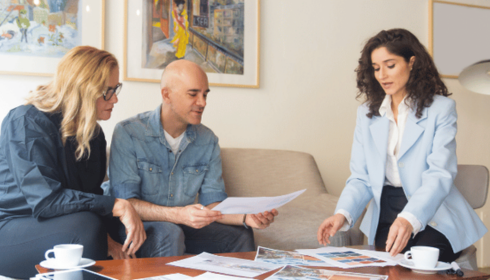
That’s the value of an interior design consultation. It’s not about handing over control or committing to a full redesign. It’s about stepping back and seeing your home differently.
A good consultation doesn’t overwhelm you with ideas. It helps you make sense of what you already have. It highlights what’s working, what isn’t, and what could be improved with small, thoughtful changes.
And often, that’s all you need to move forward.
Knowing When to Take the Next Step
There’s a moment, after you’ve been thinking about your space for a while, when ideas start to form. Not fully, not perfectly—but enough to feel like you’re ready to do something about it.
That’s usually when people decide to schedule design appointment sessions, not because everything is figured out, but because they’re tired of second-guessing themselves.
It’s less about having all the answers and more about wanting direction.
And here’s the thing—taking that step doesn’t mean committing to a massive project. It just means you’re open to exploring possibilities with someone who understands how spaces work.
Sometimes, that one decision leads to clarity you couldn’t have reached on your own.
It’s Not About Big Changes, It’s About the Right Ones
There’s a common assumption that working with a designer means tearing everything down and starting from scratch. But in reality, many transformations are far more subtle.
A layout adjusted slightly. A piece of furniture repositioned. Lighting improved. Storage rethought.
These changes don’t always look dramatic. But they feel different.
That’s where a thoughtful residential design consultation comes in. It focuses on your daily life—how you use your space, what slows you down, what feels off.
And instead of imposing a completely new vision, it builds on what’s already there. It refines, rather than replaces.
Because most homes don’t need to be reinvented. They just need to be understood better.
Your Home Should Support Your Routine
Think about how you move through your home on a typical day. From morning to night, from room to room.
Are there moments where things feel awkward? Where you have to adjust, step around something, or rethink how you’re using a space?
These small frictions often go unnoticed, but they add up.
Good design—real design—is about reducing that friction. Making everyday tasks feel easier. More natural.
It’s not about creating a space that looks impressive for guests. It’s about creating one that works for you, quietly and consistently.
There’s No “Perfect” Starting Point
One of the biggest reasons people delay making changes is the idea that they need to have everything figured out first.
The perfect budget. The perfect plan. The perfect vision.
But that rarely happens.
In fact, most good design processes start with uncertainty. A few ideas, a few frustrations, maybe a bit of inspiration here and there.
And that’s enough.
Because clarity doesn’t come before action—it comes through it.
Small Decisions Lead to Big Shifts
It’s easy to underestimate the impact of small changes. But in a home, those changes can ripple out in surprising ways.
Move a sofa, and suddenly the room feels more open. Change the lighting, and the entire mood shifts. Rethink storage, and daily routines become smoother.
These aren’t dramatic transformations. But they make a difference you feel every day.
And over time, those small improvements add up to something bigger—a space that feels more aligned with your life.
Letting Go of the Fear of Getting It Wrong
There’s always a bit of hesitation when making changes. What if it doesn’t work? What if it doesn’t look right?
But here’s the thing—homes aren’t static. They’re meant to evolve.
If something doesn’t work, you adjust. You move things around. You try something else.
Design isn’t about getting everything perfect on the first try. It’s about finding what works over time.
And sometimes, the only way to figure that out is to start.
When It Finally Feels Clear
There’s a quiet shift that happens once you start making intentional decisions about your space.
Things begin to make sense. Not all at once, but gradually.
You understand why certain areas feel better. You notice how small changes improve your daily routine. You stop second-guessing yourself as much.
And eventually, your home starts to feel more like a reflection of you.
Not because it’s perfect, but because it fits.
A Home That Works With You, Not Against You
At the end of the day, design isn’t about creating something impressive. It’s about creating something supportive.
A space that makes your life a little easier. A little more comfortable. A little more yours.
And often, the hardest part isn’t the design itself.
It’s taking that first step.
But once you do, things start to fall into place—one small decision at a time.