
There’s something oddly comforting about the sound of water running in a home. The gentle splash of a sink, the hum of a washing machine, or the soft flow of a shower in the morning — these little moments remind us how essential water is to daily life. Yet most homeowners rarely think about what’s happening behind the walls. Pipes, pressure, filtration systems… they all do their work quietly until something goes wrong.
And when something does go wrong? Well, it’s usually at the worst possible time. A hidden leak, a failing water heater, or mineral buildup that slowly damages appliances. That’s exactly why modern households are beginning to look toward smart home water solutions — not as luxury gadgets, but as practical tools that make life easier and homes safer.
The Changing Relationship Between Homeowners and Water
Not too long ago, managing water systems in a house meant guesswork. If the pressure dropped, you might check the pump. If the water tasted strange, maybe it was time to replace a filter. And leaks? Most people only discovered them after seeing a suspicious stain on the ceiling.
Today, technology has quietly shifted that entire dynamic.
Smart water systems now integrate sensors, digital controls, and connectivity that allow homeowners to understand their water usage in ways that simply weren’t possible before. Instead of waiting for problems to show up, homeowners can monitor conditions in real time. It’s a bit like having a watchful caretaker keeping an eye on your plumbing 24 hours a day.
Interestingly, people often first encounter this technology when installing water softeners or filtration units. Many of these systems now come equipped with remote monitoring, allowing users to check system performance through a mobile app. It sounds simple, but the implications are surprisingly powerful.
Imagine being away on vacation and receiving a notification that your water usage has suddenly spiked. That small alert might indicate a leak that would otherwise go unnoticed for days. With quick action, you could prevent thousands of dollars in damage.
Why Water Monitoring Matters More Than Ever
Water damage is one of the most common and expensive problems homeowners face. A slow leak behind a wall can quietly cause structural damage, mold growth, and even electrical hazards.
The tricky part? Most leaks start small.
A pipe joint loosens slightly. A valve begins to wear out. Mineral deposits from hard water slowly clog components. None of these issues announce themselves dramatically — they creep up over time.
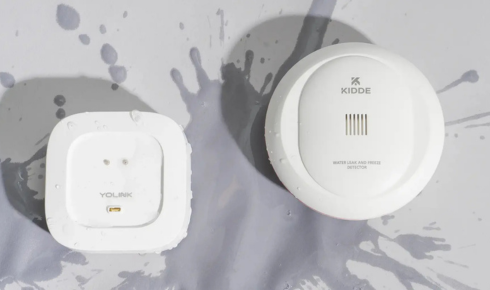
Smart water monitoring systems detect these subtle changes early. Sensors track flow patterns, pressure levels, and unusual usage. If something shifts unexpectedly, the system alerts the homeowner instantly.
This proactive approach feels almost like having a home that communicates with you. Not loudly, not constantly — just when it matters.
The Quiet Power of Automation
Another interesting development in modern plumbing technology is the rise of automated maintenance alerts. Anyone who has owned a water filtration system knows how easy it is to forget routine maintenance. Filters should be replaced, tanks flushed, salt refilled — but life gets busy.
Automation solves that problem in a surprisingly elegant way.
Instead of relying on memory or sticky notes on the fridge, the system tracks its own usage and performance. When a filter reaches the end of its lifespan, the homeowner receives a notification. If the water softener requires salt, the system reminds them. Even pressure irregularities or early signs of mechanical wear can trigger alerts.
It’s a small shift, but it changes the experience of homeownership. Rather than reacting to problems, homeowners begin managing water systems with calm, informed decisions.
A Practical Benefit Many People Overlook
One of the most underrated advantages of smart water technology is efficiency. When homeowners can see how water is being used throughout the house, patterns become clearer.
Maybe the irrigation system runs longer than expected. Maybe the washing machine uses more water than necessary. Sometimes even small behavioral changes — shorter showers or adjusting appliance cycles — can reduce water consumption significantly.
In places where water conservation is becoming increasingly important, these insights matter. And they also reduce monthly utility bills, which certainly doesn’t hurt.
Technology That Works Quietly in the Background
What’s fascinating about these systems is how invisible they are once installed. Unlike flashy gadgets or voice assistants, smart water technology rarely demands attention. It simply works in the background, quietly analyzing conditions and stepping in only when needed.
And that’s exactly what homeowners want. Technology that simplifies life, rather than complicating it.
A good smart water system doesn’t overwhelm users with complicated dashboards or technical jargon. Instead, it offers clear updates, helpful alerts, and a sense that someone — or something — is keeping an eye on things.
Looking Ahead: The Future of Smarter Homes
The concept of a “smart home” used to revolve around lighting and entertainment systems. But increasingly, the real value lies in infrastructure — the systems that keep a home running safely and efficiently.
Water management is becoming a key part of that evolution.
As sensors become more precise and connectivity improves, we’ll likely see even deeper integration between home systems. Water heaters, filtration units, irrigation systems, and plumbing networks could eventually work together as a coordinated ecosystem.
Imagine a house that detects a leak, shuts off the main valve automatically, and notifies both the homeowner and a service technician. That future isn’t decades away — it’s already beginning to take shape.
A Small Upgrade That Makes a Big Difference
At the end of the day, water is one of the most essential resources in any home. We cook with it, clean with it, drink it, and rely on it countless times each day without thinking twice.
But perhaps it’s time to start thinking about it a little more.
Smart water technology doesn’t just protect plumbing systems — it protects homes, finances, and peace of mind. And in a world where unexpected problems can appear at any moment, that quiet reassurance might be one of the most valuable upgrades a homeowner can make.