

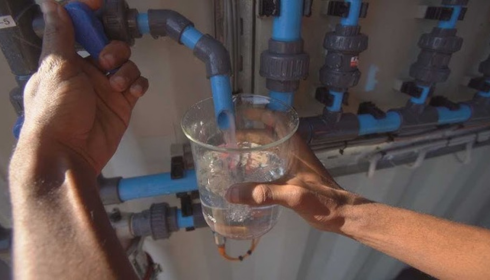

There’s something oddly comforting about turning on a tap and knowing—without thinking twice—that the water flowing out is clean, safe, and good for you. But if you pause for a second, you might wonder… is it really? That question, once rare, has become part of everyday conversations. Not in a dramatic, alarmist way, but in a steady, thoughtful shift toward awareness.
Water isn’t just water anymore. It’s something we evaluate, question, and—more often than not—try to improve.
Why the Way We Treat Water Is Changing
A decade ago, most households didn’t think much about what was in their drinking water. If it looked clear and didn’t smell odd, that was usually enough. But things have changed. People are more informed now, and frankly, a little more cautious.
Part of that comes from increased access to information. Reports about contaminants, regional water issues, and infrastructure challenges have made their way into everyday discussions. And once you start reading about what might be in your water—heavy metals, chlorine byproducts, microplastics—it’s hard to unsee it.
That’s where water purification technology comes into the picture. Not as a luxury, but increasingly as a necessity.
The Subtle Rise of Home Filtration
Walk into any home improvement store or browse online, and you’ll notice just how many options are available now. It’s almost overwhelming. Pitchers, under-sink units, whole-house systems—each promising cleaner, safer water in its own way.
But beyond the marketing, there’s a genuine shift happening. People aren’t just buying filters; they’re thinking about their water in layers. Drinking water, cooking water, bathing water—they’re starting to see the differences.
And honestly, it makes sense. The water you drink directly deserves a different level of care compared to what you use to wash your car.
This is where tailored filtration solutions come into play. Not every household needs the same system, and that realization has pushed the market toward more customizable options. It’s no longer about a one-size-fits-all approach—it’s about what works for your specific water quality, your lifestyle, and even your budget.
It’s Not Just About Safety—It’s About Experience
Clean water isn’t only about removing harmful substances. There’s also the experience of it. The taste, the clarity, the way it feels on your skin.
If you’ve ever switched from untreated tap water to filtered water, you’ll know what I mean. Tea tastes better. Food cooks differently. Even something as simple as a glass of water feels… lighter, somehow.
And then there’s the less obvious stuff. Soap lathers better. Clothes come out softer. Appliances last longer. These small improvements add up, quietly reshaping daily life.
That’s why many people are moving toward comprehensive safe drinking water systems that go beyond basic filtration. They’re not just removing contaminants—they’re improving overall water quality in a way you can actually notice.
The Balance Between Technology and Trust
Of course, with so many options out there, it’s easy to get lost. Every brand claims to be the best. Every system promises superior performance. So how do you choose?
This is where a bit of skepticism helps. Not all systems are created equal, and not every home needs the most advanced setup. Sometimes, a simple carbon filter does the job perfectly well. Other times, you might need reverse osmosis or UV purification.
The key is understanding your water. Testing it, if possible. Knowing what you’re dealing with before jumping into solutions.
There’s also an emotional side to this decision. Water is deeply personal. It’s something we consume daily, something we give to our families. Trust matters. And once you find a system that works for you, it tends to become a quiet, dependable part of your routine.
Small Changes, Long-Term Impact
What’s interesting is how these small household decisions connect to a bigger picture. When more people invest in better water systems, it subtly shifts expectations. It raises the bar for what we consider acceptable water quality.
At the same time, it encourages more responsible consumption. People become more mindful—not just about what they drink, but about how they use water overall.
And there’s a certain satisfaction in that. Knowing you’ve taken a step, however small, toward improving something as fundamental as water.
Where Do You Start?
If you’re new to all this, it can feel like a lot. But it doesn’t have to be complicated.
Start simple. Pay attention to your water—how it tastes, smells, feels. Look into basic filtration options. Read a bit. Ask questions. You don’t need to overhaul your entire system overnight.
Sometimes, the first step is just awareness.
And from there, things tend to fall into place.
A Quiet, Ongoing Shift
In the end, this isn’t about fear or urgency. It’s about awareness and choice. About taking a closer look at something we’ve long taken for granted.
Water flows through every part of our lives, often unnoticed. But once you start paying attention, you realize just how important it is to get it right.
Not perfectly. Not obsessively. Just thoughtfully.